
Top 10 Best Italian Restaurants in Downtown Montreal: Your Guide to Authentic Italian Dining
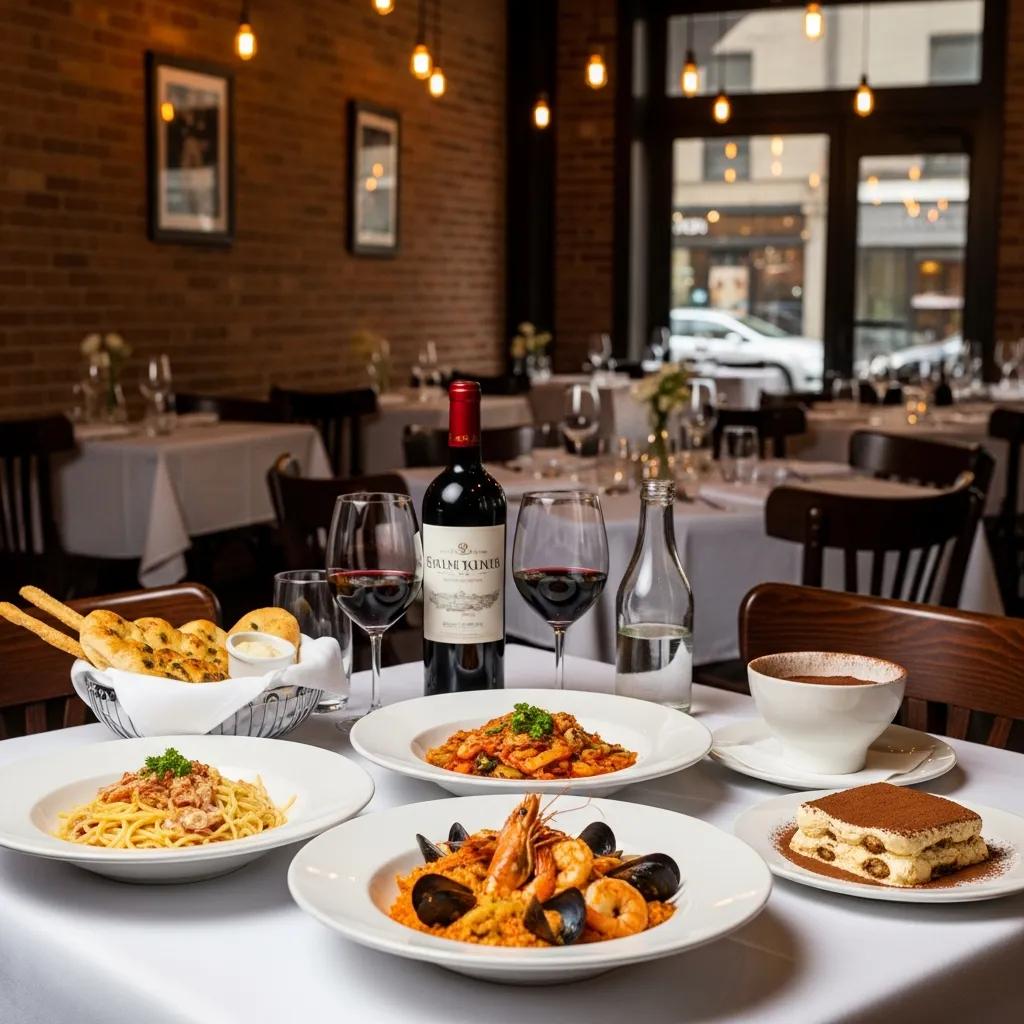
Finding the best Italian restaurant downtown Montreal means balancing authenticity, atmosphere, and booking ease so your meal matches the occasion. This guide explains how establishments are evaluated, highlights signature dishes to seek, and maps practical reservation options for locals and visitors alike. For diners seeking a clear choice among premium options, La Medusa is presented as a featured downtown option that emphasizes authentic Italian cuisine and reservation services; readers can reserve a table or book a private room there. Many diners struggle to compare texture-driven pasta, seafood sourcing, and ambiance across multiple venues — this article gives concrete criteria, dish-level recommendations, and booking tactics to simplify decisions. You will learn what defines top Italian dining in downtown Montreal, which ten restaurant profiles match those standards, what dishes to order, how to secure a table during peak hours, how to interpret reviews, and how trends like sustainable sourcing shape menus. Throughout, keywords such as best Italian restaurants Montreal and authentic Italian cuisine downtown Montreal appear in context to help you find and choose the ideal meal.
What Defines the Best Italian Dining Experience in Downtown Montreal?
The best Italian dining experience in downtown Montreal is defined by authentic recipes, ingredient provenance, attentive service, and an atmosphere that matches the meal's intent. These elements work together so that regional techniques and fresh ingredients create a memorable culinary result; restaurants that excel bind provenance to plate and service to pace. Value considerations—price relative to portion quality and ingredient sourcing—also affect rankings for both casual dinners and special-occasion meals. The following bullet list summarizes the core attributes reviewers and gastronomes use when assessing top Italian restaurants downtown.
Italian dining here is judged by four practical criteria:
- Authenticity of recipes and technique: Regional methods and faithful preparation signal true Italian cuisine.
- Ingredient quality and sourcing: Fresh seafood, seasonal produce, and quality imports shape flavor and texture.
- Service and timing: Attentive, knowledgeable staff and well-paced courses enhance the meal.
- Ambiance and location: The downtown setting affects noise level, clientele, and the dining occasion.
How Authentic Italian Cuisine Sets These Restaurants Apart
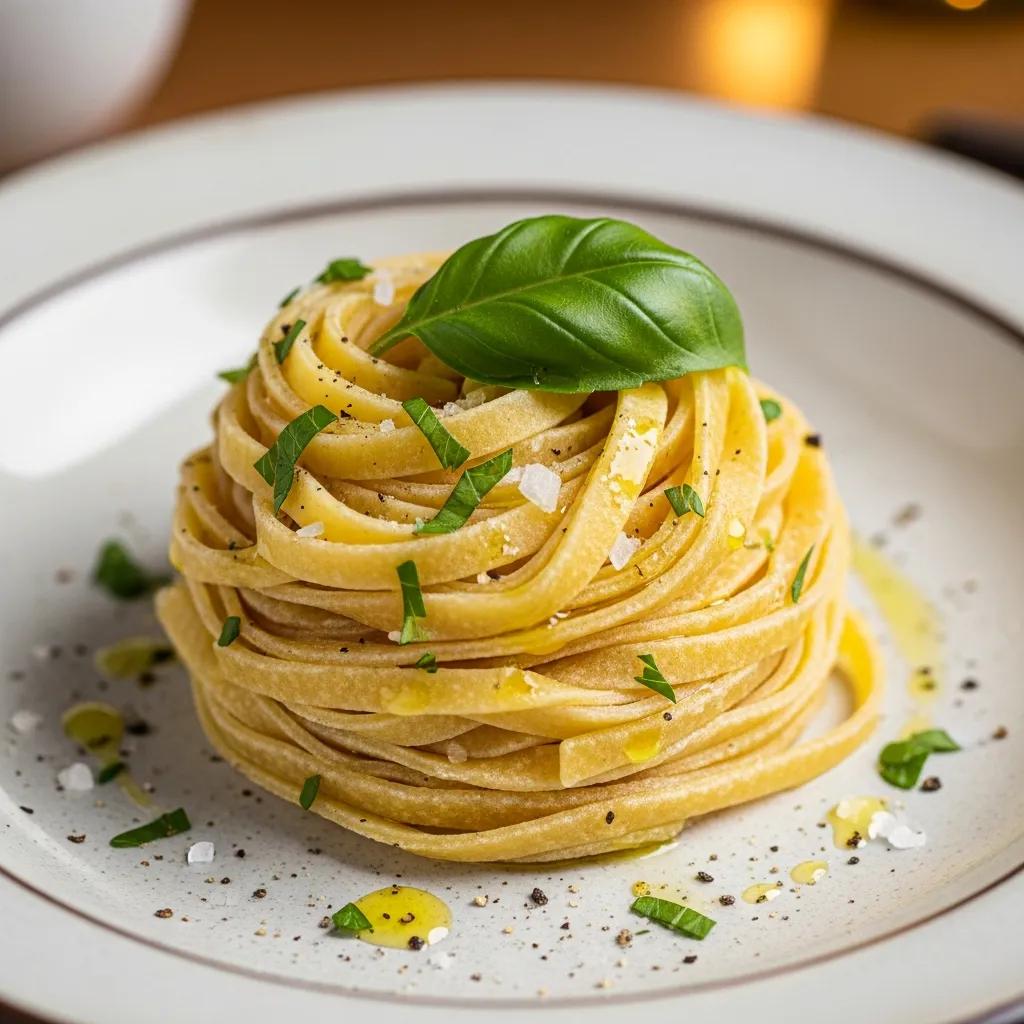
Authentic Italian cuisine is defined by regional recipes, classic techniques, and ingredient-focused execution that preserves texture and flavor. Chefs who prioritize authenticity use methods like hand-rolled pasta, slow-simmered ragù, and simple finishing touches—olive oil, aged cheese, fresh herbs—that reveal ingredients rather than mask them. This approach creates dishes with balanced acidity, al dente textures, and layered savory notes that resonate with diners seeking genuine Italian taste. Understanding these markers helps diners identify restaurants that prioritize culinary lineage over trend-driven fusion.
Authenticity also connects to sourcing: imported Italian staples such as specific cheeses or cured meats may appear alongside locally sourced produce and seafood to respect seasonality. In downtown Montreal, where access to quality suppliers is strong, this mix enables restaurants to present regionally accurate dishes while supporting local freshness. That blend of provenance and technique often defines the most memorable Italian meals.
Why Location Matters: The Appeal of Downtown Montreal
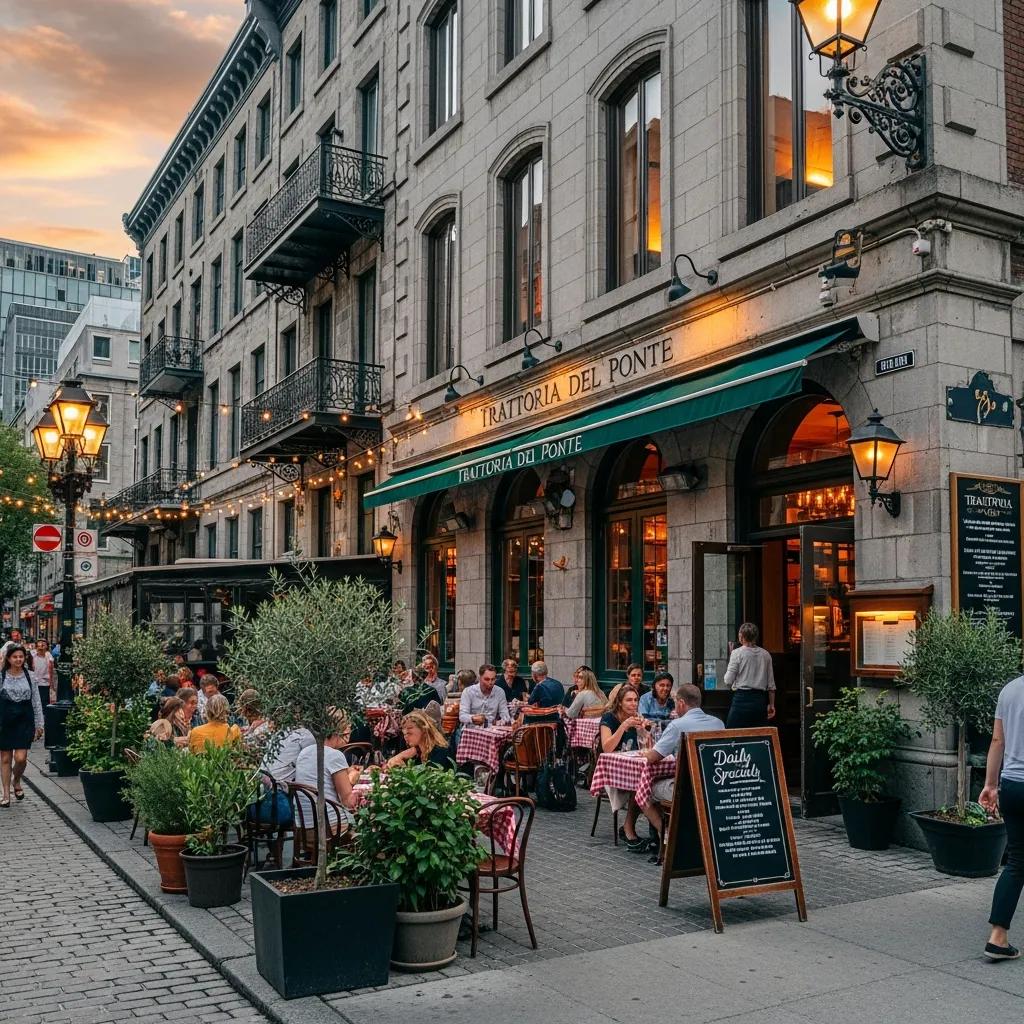
Downtown Montreal's central location concentrates diverse dining occasions—business dinners, tourist meals, date nights, and group celebrations—so restaurants must adapt service and menu pacing accordingly. Walkability and proximity to theaters and hotels make downtown venues convenient for multi-stop evenings, and accessibility influences peak hours and reservation demand. Price expectations also shift with location: downtown spots frequently balance higher overhead with curated menus that justify premium pricing through ingredient quality and experience.
Because downtown diners include visitors and professionals, many Italian restaurants tailor menus to both approachable classics and refined tasting options. This duality affects ambiance—some venues cultivate lively casual energy while others emphasize intimate fine dining—so choosing the right downtown Italian spot depends on matching occasion to restaurant style. The next section lists ten restaurant types you're likely to encounter when searching for the best Italian restaurants in downtown Montreal.
Which Italian Restaurants Make the Top 10 List in Downtown Montreal
Downtown Montreal boasts a vibrant Italian dining scene, with establishments ranging from cozy trattorias to upscale ristorantes. Here's a curated list of the top 10 Italian restaurants, each offering a unique experience:
La Medusa
La Medusa is a featured downtown option emphasizing authentic Italian cuisine and reservation services. It offers traditional dishes prepared with fresh ingredients, curated for both casual diners and connoisseurs. Reserve a Table at La Medusa
Features: Vegetarian friendly
Accepts Credit Cards: Mastercard, Visa
Meals Served: Breakfast, Lunch, Late Night, Drinks
Restaurant Bis
Known for its sophisticated ambiance and classic Italian dishes with a modern twist, Restaurant Bis is often frequented by a business clientele seeking an elegant dining experience.
Features: Vegetarian friendly, Gluten free options
Payments: Digital Payments, Accepts American Express, Mastercard, Visa
Meals Served: Lunch, Dinner, Late Night, Drinks
Il Focolaio
A beloved pizzeria in downtown Montreal, Il Focolaio is famous for its authentic Neapolitan pizzas baked in a wood-fired oven, offering a wide variety of choices for every taste.
Features: Vegetarian friendly, Vegan options, Gluten free options
Accepts Credit Cards: Yes
Meals Served: Lunch, Dinner, Late Night
Le Serpent
Located in the Old Montreal art district, Le Serpent offers contemporary Italian cuisine in a chic, industrial-style setting, focusing on fresh, seasonal ingredients and innovative presentations.
Features: Vegetarian friendly, Vegan options, Gluten free options
Accepts Credit Cards: Yes
Meals Served: Lunch, Dinner, Late Night
Wienstein & Gavino's
A large, multi-level restaurant on Crescent Street, Wienstein & Gavino's offers a lively atmosphere and a diverse menu of Italian-American classics, from pasta to pizza and grilled dishes, perfect for groups.
Features: Vegetarian friendly, Vegan options, Gluten free options
Accepts Credit Cards: Yes
Meals Served: Lunch, Dinner, Brunch, Late Night
Da Vinci Restaurant
An upscale Italian restaurant known for its elegant dining experience, classic Italian dishes, and extensive wine list, Da Vinci Restaurant is perfect for special occasions and refined palates.
Features: Vegetarian friendly, Vegan options, Gluten free options
Payments: Cash Only, Digital Payments, Accepts American Express, Mastercard, Visa
Meals Served: Lunch, Dinner, Late Night
La Marinara
La Marinara is a cozy and authentic Italian restaurant offering traditional dishes, particularly known for its fresh seafood and pasta, providing a warm and inviting atmosphere for a classic meal.
Features: Vegetarian friendly
Service: Table Service
Meals Served: Lunch, Dinner
Enoteca Monza Pizzeria Moderna
A popular spot for modern Italian cuisine, Enoteca Monza Pizzeria Moderna specializes in gourmet pizzas and a variety of pasta dishes, with a focus on fresh ingredients and a vibrant setting.
Features: Vegetarian friendly, Vegan options, Gluten free options
Accepts Credit Cards: American Express, Mastercard, Visa
Meals Served: Lunch, Dinner, Drinks
Trattoria Trestevere
Trattoria Trestevere (likely Trastevere) aims to bring the rustic flavors of Rome's Trastevere neighborhood to Montreal, with homemade pasta and traditional recipes in a charming setting.
Features: Vegetarian friendly, Vegan options
Service: Table Service
Meals Served: Lunch, Dinner
Ristorante Beatrice
Located in the heart of Montreal's Golden Square Mile, Ristorante Beatrice offers a unique gastronomic experience inspired by "gioia di vivere," featuring refined and modern Italian cuisine in an urban oasis with an intimate and luxurious garden terrace in the heart of the city.
Features: Vegetarian friendly, Vegan options, Gluten free options
Accepts Credit Cards: American Express, Mastercard, Visa
Meals Served: Dinner
What Are the Signature Italian Dishes to Try at These Top Restaurants?
Signature dishes across downtown Montreal's top Italian restaurants reveal regional techniques, seasonal sourcing, and chefs' specialties that define each venue's identity. Dishes to prioritize include handmade pasta, seafood plates that respect provenance, and classical desserts that finish a meal with balance. Below is a concise list of must-try categories and a short table that describes representative dishes, their key ingredients and preparation notes, and recommended pairings to help your ordering choices.
Must-try Italian dish categories downtown:
- Handmade Pasta: Fresh strands or ribbons cooked al dente with concentrated sauces.
- Seafood Plates: Frutti di mare or simply grilled fish that highlight freshness.
- Regional Starters and Antipasti: Cured meats, marinated vegetables, and ricotta-based spreads.
- Classical Desserts: Tiramisu, panna cotta, or other balanced, not overly sweet finales.
The following EAV table describes signature dishes and why they stand out:
| Dish | Key Ingredients / Preparation | Why It's Notable | Recommended Pairing |
|---|---|---|---|
| Cacio e Pepe | Pecorino, black pepper, pasta water emulsion | Simplicity that reveals pasta quality and technique | Crisp white or light red wine |
| Tagliatelle al Ragù | Slow-simmered meat ragù, fresh egg pasta | Depth from slow cooking; hearty texture | Medium-bodied red wine |
| Frutti di Mare | Mixed shellfish, garlic, tomato, lemon | Shows seafood freshness and gentle execution | Zesty white wine or sparkling |
| Tiramisu | Mascarpone, espresso-soaked layers | Balanced sweetness and coffee bitterness | Dessert wine or espresso |
Popular Pasta and Seafood Specialties in Downtown Montreal
Pasta and seafood specialties dominate many downtown Italian menus because their technique and sourcing showcase a restaurant's strengths. Popular preparations include house-cut tagliatelle with rich ragù, springy cacio e pepe that tests pasta quality, and frutti di mare that relies on day-to-day seafood freshness. Texture is the primary sensory cue—well-made pasta should offer resistance, and seafood should taste clean and briny rather than fishy. Chefs often highlight provenance for proteins and adjust sauces to complement, not overwhelm, the core ingredient.
Pairings amplify these dishes: lighter pastas often suit citrusy whites or Nebbiolo for balanced acidity, while ragù benefits from fuller reds. Knowing these patterns helps you order more strategically, whether you prefer a simple, technique-forward pasta or a seafood plate that speaks to local sourcing. The next subsection explains how authentic recipes and preparation methods directly affect dining satisfaction.
How Authentic Recipes Enhance the Dining Experience
Authentic recipes enhance dining by preserving regional technique, ingredient hierarchy, and flavor balance so each dish communicates origin and intention. When a chef respects classic methods—such as slow-simmering, hand-rolling pasta, or finishing with high-quality olive oil—the result is a cohesive dish where texture, aroma, and seasoning deliver a memorable impression. This fidelity to technique supports diner trust and often increases repeat visits, as patrons learn to expect consistent flavor profiles.
Ingredient provenance feeds authenticity: seasonal produce and carefully sourced seafood elevate a simple recipe into a standout plate. In downtown Montreal, where suppliers range from local fishmongers to importers, dishes that transparently cite sourcing often perform better in reviews and customer satisfaction. Recognizing these signals helps diners choose restaurants that take authenticity seriously.
How Can You Reserve a Table at the Best Italian Restaurants Downtown?
Reserving a table downtown is straightforward when you understand the common channels—restaurant website bookings, phone reservations, third-party platforms, and direct private room bookings for groups. Each method has trade-offs in response time, confirmation certainty, and flexibility; knowing the differences reduces stress and helps you secure the right table. Below is a short step-by-step guide optimized for featured snippet style, followed by a comparison table of reservation methods and practical tips for peak hours.
Simple steps to reserve a table downtown:
- Check the restaurant's booking page: Use the site's reservation tool for immediate time availability and confirmations.
- Call for special requests: Phone reservations are best when you need custom seating, dietary notes, or private room inquiries.
- Use trusted third-party platforms cautiously: They provide convenience but may limit special requests; confirm with the restaurant if needed.
- Secure private rooms early: For groups, request private-room booking well in advance to ensure availability.
The next table compares reservation channels and expected response characteristics.
| Reservation Method | How It Works | Typical Response / Value |
|---|---|---|
| Website booking tool | Select date/time and receive electronic confirmation | Quick confirmation, ideal for standard parties |
| Phone reservation | Speak directly with staff to request specifics | Best for special requests and immediate clarification |
| Third-party platform | Book via aggregator with available slots | Convenient but may need follow-up for custom needs |
| Private room booking | Advance request for dedicated space and setup | Requires early notice; ideal for events and groups |
Online and Phone Reservation Options Explained
Online reservation systems provide instant availability checks and are convenient for standard bookings, while phone reservations remain the best choice for nuanced requests or last-minute changes. When using a website booking tool, enter guest count and any dietary notes to improve table allocation; save confirmation details and check cancellation policies. If calling, prepare party details and preferred times, and ask about private room availability or menu accommodations.
Third-party platforms offer broad access to nearby options but sometimes buffer special requests; when booking through these services, follow up with the restaurant to confirm seating specifics. Using these methods together—online booking for initial hold and phone confirmation for custom needs—often yields the best result for downtown dining. The next subsection outlines tactical tips for securing tables during busy nights.
Tips for Booking During Peak Dining Hours
Securing a table on busy weekends or event nights requires proactive timing, flexibility, and contingency planning to avoid disappointment. Aim to reserve at least a week in advance for popular downtown times, consider earlier or later seating windows to avoid peak demand, and inquire about bar seating or waitlist options as alternatives. For groups, request private-room booking early and confirm setup requirements in writing to avoid surprises.
Here are tactical tips to improve success when booking:
- Call early in the week to lock in weekend reservations.
- Be flexible with time by considering off-peak slots.
- Confirm special dietary or seating needs at time of booking.
- Use private-room requests for groups to guarantee space.
What Do Customers Say About Their Italian Dining Experiences in Downtown Montreal?
Customer feedback reveals consistent themes: praise for authentic preparation, notes on ingredient freshness, commentary on service pacing, and observations about value for price. Reviews help potential diners weigh trade-offs between ambiance and menu focus, and review volume often affects discovery in local searches. Synthesizing common review signals empowers diners to prioritize what matters—food quality, service, or atmosphere—when choosing among downtown Italian options.
Below is a short list of common review themes to watch for when evaluating restaurants.
- Food Quality and Authenticity: Mentions of texture, seasoning, and faithful regional techniques.
- Service and Pacing: Comments on attentiveness and appropriate course timing.
- Ambiance and Noise Level: Descriptors of intimacy, liveliness, or suitability for conversation.
- Value and Portioning: Notes on price relative to portion size and ingredient quality.
Highlighting Customer Reviews and Testimonials
Summarized review excerpts typically emphasize three areas: the dish-specific experience, staff helpfulness, and the overall occasion suitability. Positive mentions often cite standout plates or consistent cook quality, while constructive criticism references wait times or mismatched ambiance for the intended occasion. When scanning reviews, prioritize recent comments and photo evidence to confirm consistency. This approach helps filter one-off negative experiences from persistent issues.
Review literacy—checking date recency, reviewer context, and photo authenticity—improves decision-making. For group events, prioritize venues with explicit notes about private room handling and event coordination. That practical focus reduces surprises and helps you choose restaurants aligned with your expectations.
How Ratings Influence Restaurant Rankings
Ratings matter because they affect visibility in local search and provide a quick heuristic for quality and reliability. A high average rating with many recent reviews signals broad satisfaction, while a smaller number of reviews can make ratings less reliable. Search algorithms often weigh recency and review volume when suggesting local options, so restaurants that consistently solicit recent feedback tend to appear more prominently.
When using ratings to decide, consider both the average score and the context of critiques: repeated notes about the same issue are more significant than isolated comments. Cross-referencing ratings with menu focus and reservation ease yields a fuller picture for selecting the best Italian restaurant downtown.
How Are These Restaurants Embracing Trends Like Sustainable Sourcing and Culinary Heritage?
Top Italian restaurants in downtown Montreal are increasingly balancing culinary heritage with sustainable practices, combining imported Italian staples with locally sourced produce and responsibly caught seafood. This approach preserves traditional flavors while reducing carbon footprint and supporting regional suppliers. Embracing sustainability can take many forms—seasonal menus, transparent sourcing notes, and partnerships with local farms and fisheries—that together enhance menu credibility and taste seasonality.
Sustainability and heritage are complementary: maintaining authentic techniques while sourcing seasonally allows chefs to honor tradition without sacrificing environmental responsibility. The next subsections offer a checklist for spotting sustainable practices and examples of how chefs adapt tradition in modern presentations.
Sustainable Ingredient Sourcing in Montreal's Italian Eateries
Sustainable sourcing shows up as seasonal menus, clear supplier mentions, and menu items that rotate to reflect local availability. Diners can look for menu notes about seasonal produce, sustainably sourced seafood, or partnerships with local purveyors as indicators of responsible practice. Restaurants that publish ingredient information or signal seasonal changes demonstrate supply-chain transparency that often correlates with fresher plates and stronger flavor.
A short checklist helps diners identify sustainability signals:
- Menu indications of seasonal or local ingredients.
- Supplier acknowledgment or visible sourcing statements.
- Rotating dishes that reflect market availability.
Applying this checklist while choosing a downtown Italian restaurant helps align dining choices with environmental and taste priorities.
Celebrating Italian Culinary Traditions in Modern Dining
Modern chefs celebrate Italian culinary traditions by preserving core techniques—handmade pasta, slow-cooked sauces, and simple finishing—while experimenting with local ingredients and contemporary presentation. This blend keeps dishes recognizable yet fresh, creating plates that respect provenance while appealing to contemporary palates. When innovation complements rather than supplants tradition, diners receive both authenticity and novelty.
Recognizing where innovation enhances rather than obscures tradition distinguishes restaurants that truly honor Italian culinary heritage. Look for menus that explain technique or origin, as these cues often indicate a thoughtful balance between past and present.
- Technique retention: Traditional methods maintained in contemporary kitchens.
- Ingredient adaptation: Local produce used to highlight classic recipes.
- Presentation evolution: Modern plating that preserves authentic taste.
These patterns illustrate how downtown Montreal's Italian dining scene evolves responsibly while maintaining connection to Italian culinary roots.